

A fire can start from an overheated appliance, a cooking accident, or an electrical problem. Smoke and fire detectors help identify early signs of danger and alert people with an alarm. Some smart models can also send notifications to your phone, giving you another way to stay informed.
See Smoke Detectors in Action
See how different smoke and fire detectors sense danger and alert you. A quick video can help you understand the differences before choosing a detector for your home.
The Importance of Smoke and Fire Detectors
A fire can start from something as simple as an unattended pan or a faulty wire. Smoke and fire detectors help identify danger early by sounding an alarm when they detect smoke or heat. This gives your family time to leave safely and call for help. These devices are a simple way to improve home safety and provide extra protection, day and night.
How Do Smoke and Fire Detectors Work?
Smoke detectors sense tiny smoke particles in the air and sound an alarm when they detect a possible fire. Some detectors use light to sense smoke, while others use a different method to detect smoke particles.
Heat detectors work by sensing high temperatures or a sudden rise in heat. These devices help people notice danger early, giving them more time to leave safely and protect their families.
Types of Smoke and Fire Detectors
1. Photoelectric Smoke Detectors
These detectors use light to sense smoke. When smoke enters the unit, it triggers the alarm. They are especially useful for fires that create a lot of smoke before flames appear.
Best for: Bedrooms, living rooms, and hallways.

Photoelectric Smoke Detector
Detects smoke using light and quickly alerts you when smoke enters the sensor. A simple choice for bedrooms, living rooms, and hallways
2. Dual Sensor Smoke Detectors
These detectors combine two smoke sensing technologies in one device. This gives you broader coverage for different types of fires without needing two separate alarms.
Best for: Homes where you want wider smoke detection.
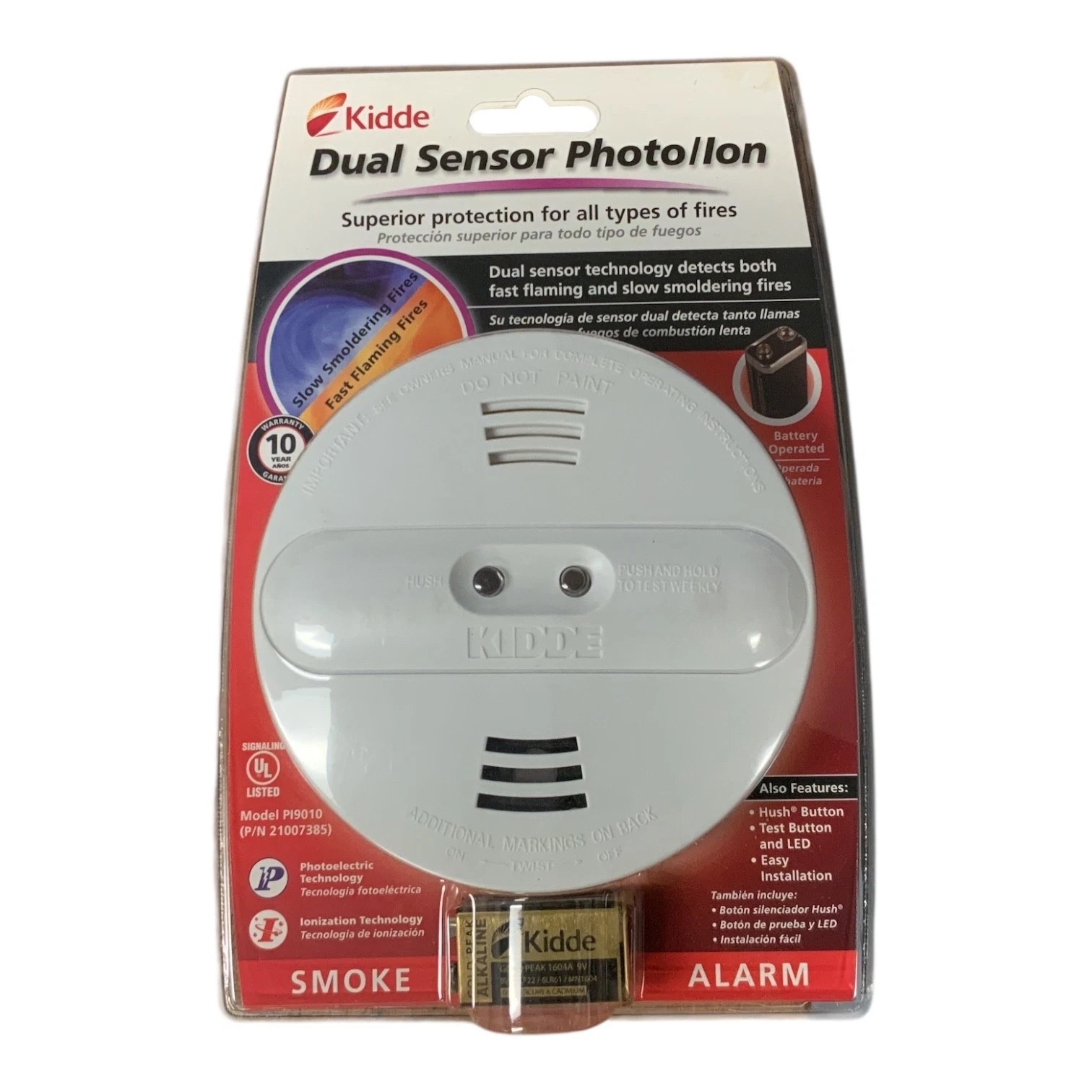
Dual Sensor Smoke Detector
Combines two smoke detection technologies in one device for broader fire detection. Ideal for homes that want extra coverage from a single alarm.
3. Heat Detectors
Heat detectors sense high temperatures instead of smoke. They can be useful in places where steam, dust, or cooking fumes may cause unwanted alarms.
Best for: Kitchens, garages, and attics.

Heat Detector
Senses high temperatures instead of smoke, making it useful in areas where smoke or steam can cause false alarms. Suitable for kitchens, garages, and attics.
4. Smart Smoke Detectors
Smart smoke detectors connect to your phone and can send an alert when they detect smoke. This can be helpful when you are away from home or want an extra layer of protection.
Best for: Busy families, frequent travelers, and smart homes.

Smart Smoke Detector
Connects to your phone and sends alerts when smoke is detected. A convenient option for busy households or anyone who wants to monitor their home while away.
What to Check Before You Buy
Safety certification: Pick a model tested to a recognized standard.
Power source: Check battery life, or choose mains power with battery backup.
Alarm volume: The sound should be loud enough to wake you.
Smart features: Confirm that the app and your Wi-Fi are compatible.
Maintenance: Look at the testing steps and the replacement date. Most alarms need replacing after about 10 years, so check the label on yours.
Where to Install Smoke Detectors
For good coverage, consider placing smoke alarms:
Inside every bedroom
Outside sleeping areas, such as in the hallway
On every level of your home
Keep them away from cooking fumes, bathroom steam, and air vents, because these can cause false alarms. Always follow the makers placement instructions and your local rules.
Simple Tips to Keep Your Detectors Working
Test your alarms every month.
Change batteries when needed, or when the alarm chirps.
Clean dust from the alarm gently.
Replace old alarms before they expire.
Final Thoughts
A smoke detector is a small device that can make a big difference. Choose a certified model, install it in the right places, and test it often. Pair it with a clear escape plan that your whole family knows. Together, these steps give you the best chance to stay safe.
Frequently Asked Questions
Test it once a month, using the test button.
Most last about 10 years. Check the date on the back of the unit.
Many still sound the alarm locally without Wi-Fi, but phone alerts need a connection. Check the product details.