

Imagine starting a “short, easy” hike only to run out of water, get a painful blister, or face a steeper trail than expected. These problems often happen because you packed the wrong gear not because the trail was too difficult.
The solution is simple: pack the right hiking essentials. This guide covers what to carry, why you need it, and how to choose the right gear for a safe and comfortable hike.
Why Hiking Essentials Matter (Even on Short Trails)
Many beginners think, "It is only a 2-hour hike, I will be fine." But weather changes, trails take longer than planned, and small problems like a twisted ankle or a dead phone can turn serious quickly.
Good preparation gives you three things:
Safety: you can handle small emergencies before they become big ones
Comfort: you enjoy the hike instead of just surviving it
Confidence: you can go farther and try new trails
Here is the list, starting with the most important item.
1. Hiking Shoes: Your Most Important Gear
Your feet do all the work, so protect them first.
What to look for:
Good grip: deep lugs on the sole for rocky, dusty or muddy ground
Ankle support: mid cut boots help on uneven terrain, while trail runners suit lighter hikes
Right fit: about a thumbs width of space at the toe, because your feet swell as you walk
Tip: Never wear brand new shoes on a long hike. Break them in with a few short walks first. Your heels will thank you.
Hiking Shoes
Your shoes carry you through every step, so choose a pair with strong grip, good support, and a comfortable fit for long walks.
2. Backpack: Carry Smart, Not Heavy
A good daypack keeps your essentials organized and your weight balanced.
Size: 15 25 litres is enough for most day hikes
Comfort: padded shoulder straps and a chest strap
Extras: a rain cover and side pockets for a water bottle
Packing rule: Put heavier items close to your back and in the middle. Keep things you need often (snacks, phone, sunscreen) in easy reach pockets.

Hiking Backpack
A good hiking backpack keeps your essentials organized while spreading the weight comfortably across your shoulders.
3. Water Bottle: Do not Underestimate Hydration
Dehydration sneaks up on you. Headaches, tiredness and dizziness often start before you feel thirsty.
General guide: About 0.5 liter per hour of moderate hiking, more in hot weather
Options: A durable bottle or a hydration bladder for sipping on the move
Extra safety: Water purification tablets or a filter for longer trails
Add electrolyte sachets on hot days. They help you recover from heavy sweating.

Water Bottle
Staying hydrated keeps you energized and helps prevent tiredness and dizziness during your hike. Choose a bottle or hydration bladder that is easy to carry and use.
4. Trekking Poles
Many people skip poles until they try them on a steep descent.
Benefits:
Take pressure off knees and joints, especially downhill
Improve balance on rocky or slippery paths
Help you keep a steady rhythm uphill
Choose adjustable, lightweight poles (aluminium or carbon fiber) with comfortable grips.
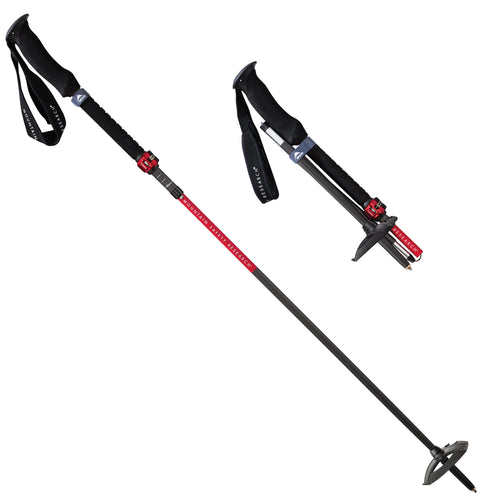
Trekking Poles
Trekking poles give you extra support on steep, rocky, or slippery trails. They can also reduce pressure on your knees and help you keep a steady pace.
5. Headlamp: Because Trails Take Longer Than Planned
Even if you plan to finish before sunset, delays happen. A phone flashlight is not a good backup because it drains your battery and keeps neither hand free.
Pick a headlamp with 150-300 lumens
Carry spare batteries or a rechargeable one
Keep it in the same pocket every time so you can find it in the dark

Headlamp
A headlamp keeps your hands free and helps you see clearly if your hike takes longer than planned. Choose one with 150-300 lumens and keep spare batteries or a backup charge.
6. First Aid Kit: Small Items, Big Difference
You do not need a full medical bag. A compact kit handles most trail problems.
Pack these basics:
Adhesive bandages and blister plasters
Antiseptic wipes
Gauze and medical tape
Pain reliever and any personal medication
Elastic bandage for sprains
Tweezers (for thorns and splinters)
Check your kit every few months and replace anything used or expired.

First Aid Kit
A small first aid kit can help you handle common trail problems like blisters, cuts, and minor sprains. Keep it compact so it does not add much weight to your bag.
More Essentials You Should not Forget
The big six aren't the whole story. These smaller items often make the biggest difference:
Navigation: an offline map on your phone plus a power bank. A paper map and compass are a great backup.
Sun protection: sunscreen, sunglasses and a hat
Extra layer: a light jacket or windbreaker, since mountain weather changes quickly
Snacks: nuts, dates, energy bars or fruit. Bring more than you think you'll need.
Emergency whistle: light, cheap, and it can carry much farther than your voice
Multi-tool or small knife
Trash bag: carry out everything you carry in
Rain poncho: compact, and it saves the day when clouds roll in
Common Mistakes Beginners Make
Overpacking: carrying "just in case" items that add up to a heavy load
Wearing cotton: it stays wet and makes you cold or sore
Skipping snacks and water: energy crashes ruin the hike
Ignoring the weather forecast
Not telling anyone your plan: always share your route and expected return time
Final Thoughts
A great hike is not about carrying lots of gear. It is about having the right gear and knowing what you need. Start with the essentials in this guide, then change your packing as you learn what works best for you.
Ready for your next adventure? Use the checklist, pack your bag, and enjoy your next trail with confidence.
Frequently Asked Questions
A good starting point is about 0.5 liter per hour of hiking. Carry more in hot weather or on strenuous trails.
They are not mandatory, but they reduce strain on your knees and improve balance, especially on steep or uneven trails.
Most people are comfortable with a 15-25 liter pack