

Your fitness tracker can tell you much more than how many steps you took today. From tracking workouts and heart rate to monitoring sleep, calories, distance, and daily activity, it gives you a clearer picture of your everyday habits. Whether you are working toward a fitness goal or simply trying to stay more active, a fitness tracker can turn everyday movement into useful insights that help you understand your routine and make better choices.
What Is a Fitness Tracker?
A fitness tracker is a small wearable device, usually worn on your wrist, that monitors your daily activity and health data. It uses built in sensors to collect information, then shows you the results on a connected app on your phone.
Think of it as a personal assistant that quietly watches your body all day and gives you simple numbers you can actually understand and act on.
What Can a Fitness Tracker Track?
Most modern fitness trackers can monitor:
Steps and distance: how much you walk or run
Heart rate: continuous or on-demand readings
Sleep quality: light sleep, deep sleep, and wake-ups
Calories burned: based on activity and heart rate
Workouts: running, cycling, swimming, yoga, and more
Stress levels: through heart rate variability
Blood oxygen (SpO2): on higher end models
Some advanced trackers also monitor skin temperature and menstrual cycles, giving a fuller picture of your health.
Types of Fitness Trackers
Not all trackers are the same. Here are the main types:
Basic activity bands
Track steps, sleep, and calories. Affordable and simple.

Basic Activity Bands
Simple and lightweight, these bands track everyday essentials like steps, distance, calories, and sleep. They are a good choice for anyone who wants basic fitness tracking without extra features or a high price.
Advanced fitness bands
Add heart rate, SpO2, and workout modes.

Advanced Fitness Bands
These bands offer more detailed tracking, including heart rate, sleep, workouts, and sometimes blood oxygen and GPS. They are ideal for users who want deeper fitness insights while keeping a slim, lightweight design.
Smartwatches with fitness tracking
Combine health tracking with notifications, calls, and apps.

Smartwatches with Fitness Tracking
These devices combine fitness tracking with everyday smartwatch features like calls, messages, notifications, apps, and music. They are a great choice if you want to manage your workouts and daily tasks from one device.
Specialized sports trackers
Built for runners, swimmers, or cyclists with GPS and detailed stats.
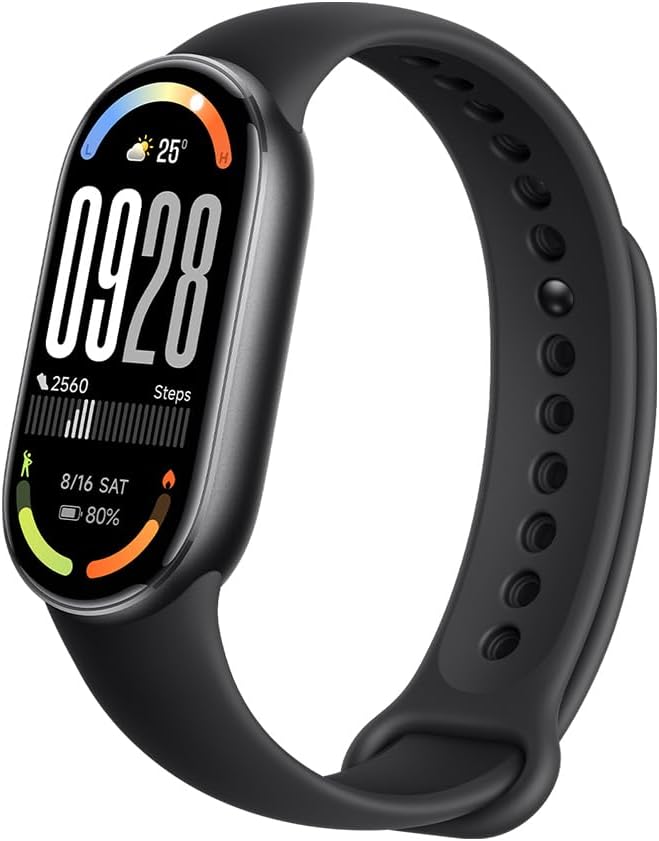
Specialized Sports Trackers
Designed for runners, cyclists, swimmers, and other athletes, these trackers offer detailed workout data, GPS, and performance metrics. They are ideal for people who want to closely monitor their training and improve their performance. Designed for runners, cyclists, swimmers, and other athletes, these trackers offer detailed workout data, GPS, and performance metrics. They are ideal for people who want to closely monitor their training and improve their performance.
Ring trackers
A newer, discreet option that tracks sleep and recovery without a screen.

Ring Trackers
Small and discreet, ring trackers can monitor sleep, heart rate, activity, and recovery. They are a good choice for people who want useful fitness insights without wearing a watch or band.
How to Choose the Right Fitness Tracker
Before buying, ask yourself these simple questions:
Do I need a screen or is a simple band enough?
Is battery life more important than extra features?
Do I need GPS for outdoor running or cycling?
Am I okay with a monthly subscription for extra insights?
Does it need to match my phone (iPhone or Android)?
Once you are clear on your needs, comparing a few good options makes the decision much easier.
Battery Life: What to Expect
Battery life varies a lot depending on the type:
Basic bands: 7-14 days
Advanced fitness bands: 5-10 days
Smartwatches: 1-3 days (due to bigger screens)
Ring trackers: 4-7 days
If you do not want to charge your device often, go for a simple band or a ring tracker instead of a full smartwatch.
How Accurate Are Fitness Trackers?
Fitness trackers are usually good at counting steps and showing sleep patterns, although the results may not always be exact. Heart rate tracking is generally reliable when you are resting or doing steady exercise, but it can be less accurate during intense workouts.
They are useful for understanding your fitness and noticing changes over time. However, they are not medical devices and should not be used instead of professional medical advice.
How to Use a Fitness Tracker Daily
Getting the most out of your tracker is simple:
Wear it snugly, especially for heart rate readings
Sync it with its app daily to see trends, not just single-day numbers
Set realistic daily goals (steps, sleep, workouts)
Charge it on a routine so you never miss data
Check weekly trends instead of obsessing over daily numbers
Frequently Asked Questions
Basic trackers focus mainly on health data, while smartwatches add calls, notifications, and apps. If you want both, choose a fitness focused smartwatch.
Most need a phone nearby for full syncing, though basic tracking (like steps) usually works independently and syncs late
With proper care, most trackers last 2-3 years before battery performance noticeably declines.