

A desk lamp should do more than simply make your desk look better. The right light can make reading, writing, computer work and late night tasks much easier.
But choosing one is not always simple. A lamp may look stylish but create screen glare, take up too much desk space or offer very little control over brightness and color temperature.
For this guide, we looked at the features that actually matter when choosing a desk lamp, including brightness, color temperature, glare, adjustability, desk space and useful extra features. We also looked at the small problems buyers often miss when shopping by appearance alone.
The 3 Best Desk Lamps for 2026
BenQ e-Reading Lamp
Designed for reading and focused desk work, the BenQ e-Reading Lamp provides wide, even illumination across your workspace. It is adjustable design helps reduce glare and improve visual comfort.

BenQ e-Reading Lamp
Wide, eye friendly lighting designed for comfortable reading and focused desk work.
Dyson Solarcycle Morph
The Dyson Solarcycle Morph automatically adjusts its light based on your surroundings and time of day. It offers multiple lighting modes, making it suitable for work, reading, and relaxing.
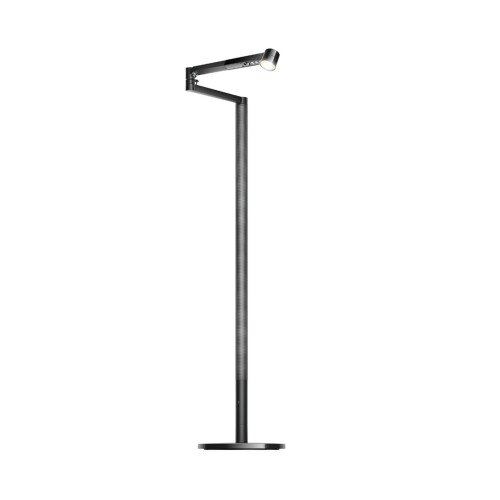
Dyson Solarcycle Morph
Smart, adjustable lighting that adapts to your surroundings and time of day. Ideal for focused work, reading, and relaxing.
Philips Hue Go
The Philips Hue Go is a compact smart lamp that adds flexible lighting to your desk or room. With adjustable colors and brightness, it can create both focused and ambient lighting.
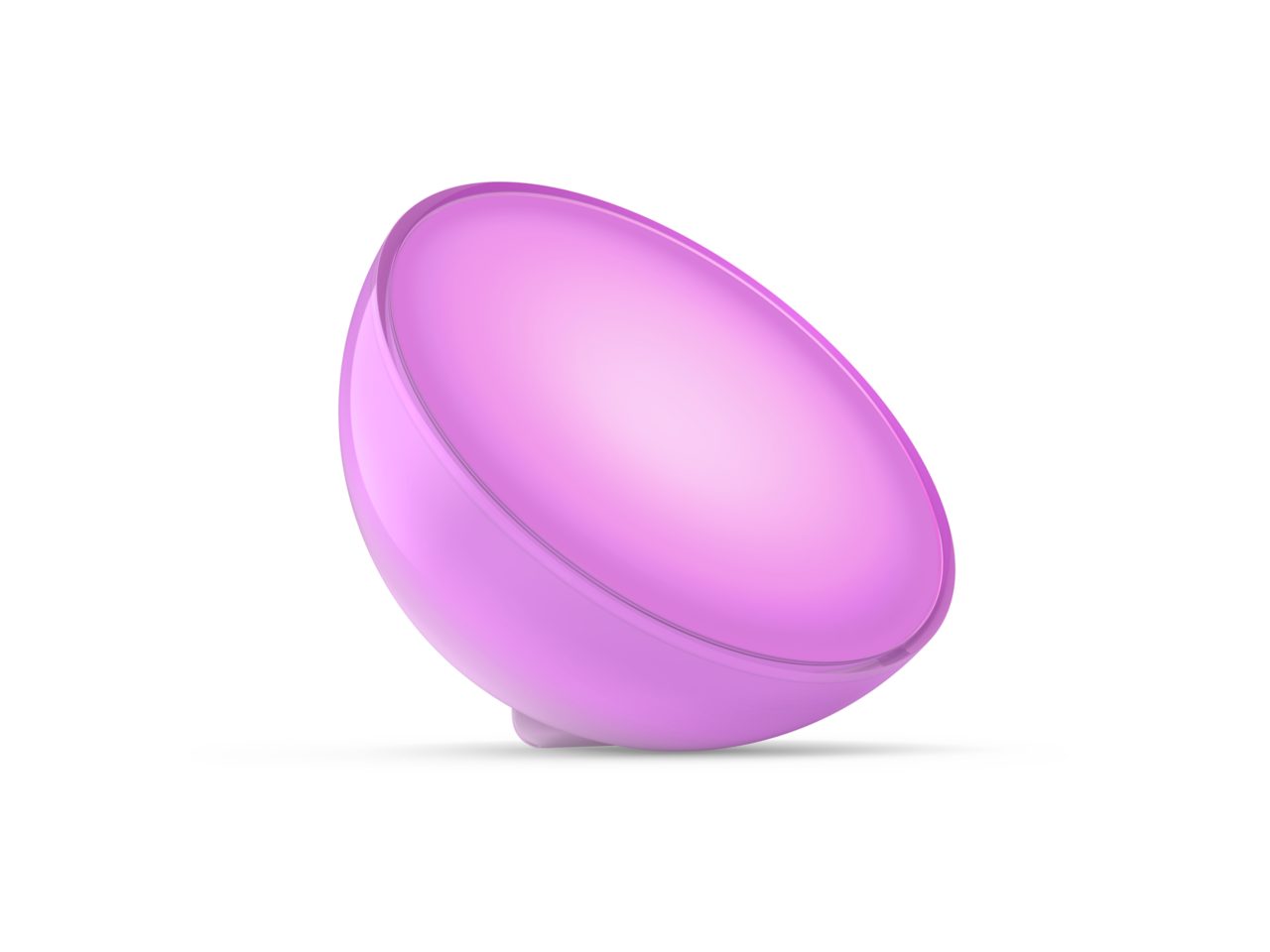
Philips Hue Go
Portable smart lighting with adjustable brightness and colors, perfect for creating focused or ambient lighting anywhere.
What to Look for in a Desk Lamp
The best desk lamp depends on how you use your workspace. A lamp for reading does not necessarily need the same features as one used beside a computer monitor all day.
Brightness and Dimming
Brightness is one of the first things to check. A lamp that is too dim can make reading difficult, while excessive brightness can become uncomfortable.
A dimming function gives you more control. You can use brighter light for detailed work and reduce it when you only need a little extra illumination.
Instead of choosing a lamp simply because it claims to be very bright, check whether the brightness can be adjusted easily.
Color Temperature
Color temperature affects how the light looks and feels.
Warm light: More relaxing and suitable for evening use
Cooler light: Often useful for focused daytime work
Adjustable temperature: Gives you more flexibility throughout the day
If you work at your desk for several hours, an adjustable color temperature can be more useful than a lamp with only one fixed setting.
Check for Glare
A bright lamp is not automatically a good lamp.
If the light shines directly into your eyes or reflects from your monitor, it can become distracting during computer work. Look for a design that lets you direct the light toward your desk rather than straight at your screen.
This is especially important for people who spend long periods working from a laptop or monitor.
Adjustable Arm and Light Head
An adjustable lamp lets you move the light where you need it.
Look for features such as:
Adjustable arm
Rotating or tilting head
Flexible neck
Wide light coverage
A lamp that stays in position is also important. A loose arm that slowly drops after you adjust it can become frustrating during everyday use.
Choose a Desk Lamp That Fits Your Space and Needs
Your desk size and daily needs both matter when choosing a lamp. Small desks benefit from space saving clamp lamps or monitor light bars, while larger desks can handle traditional lamps with wider coverage.
Home office: Adjustable brightness and head
Small desk: Clamp lamp or monitor light bar
Reading: Even, focused lighting
Long sessions: Glare control and brightness adjustment
Premium setup: Smart controls and wireless charging
Before buying, measure your desk space around the monitor and keyboard to ensure the lamp fits comfortably.
Desk Lamp vs Monitor Light Bar
A monitor light bar is another option for computer focused work.
It sits on top of the monitor and directs light toward the desk rather than taking up space beside the screen.
If you regularly switch between reading, writing, and computer work, a conventional adjustable desk lamp may offer more flexibility.
Do not Choose a Desk Lamp by Looks Alone
A stylish lamp can look great in product photos and still be frustrating to use.
Before buying, check the parts that are easy to overlook:
Light Coverage
A narrow beam may leave parts of your workspace dark. Wider coverage can be more useful for large desks.
Base Stability
A lamp with a small or lightweight base may move when you adjust the arm. Make sure the base feels stable enough for everyday use.
Heat
LED lamps generally produce less heat than older lighting technologies, but the housing and design still matter. Check whether the lamp becomes noticeably hot during extended use.
Controls
Touch controls can look modern, but simple buttons or knobs may be easier to use when you are working quickly.
Cable and Adapter
Do not ignore the power setup. Check the cable length and where the adapter sits. A short cable can be inconvenient if your outlet is behind the desk.
Integrated LED
Some modern lamps have built in LEDs instead of a replaceable bulb. This can create a cleaner design, but it also means you should check the manufacturer's expected LED lifespan and warranty before buying.
Small Features That Make a Big Difference
Extra features are only worthwhile if you will actually use them.
USB Charging
A built in USB port can be useful for charging a phone or another small device without reaching for another wall adapter.
Wireless Charging
Some premium desk lamps include a wireless charging pad. This can help reduce cable clutter, especially on a home office desk.
Smart Controls
Some lamps can connect to an app or smart home system. These features can let you adjust brightness, change color temperature, or create schedules.
For a basic workspace, however, smart features are not essential. Good lighting and easy controls should come first.
Conclusion
A quality desk light is more than just a piece of furniture. It can improve the comfort of your office, lessen glare, and provide just the appropriate amount of light when you need to concentrate. Consider how you actually use your workspace while selecting the best desk lighting for home office in 2026. Look for features that make daily work easier, such as adjustable brightness, flexible posture, and pleasant lighting.
There is a light that can suit your demands, whether you have a tiny desk, a complete home office setup, or a basic nook for reading and working. Take your time, evaluate the characteristics that are most important to you, and select a desk light that makes your workspace brighter, more comfortable, and easier to enjoy every day.
Frequently Asked Questions
Cooler light can suit focused daytime work, while warmer light can feel more comfortable in the evening. Adjustable lamps give you both options.
There is no single brightness level that works for everyone. Adjustable brightness is more useful because you can change it for different tasks.
Check brightness control, glare, color temperature, light coverage, adjustability, desk footprint, stability, and the power cable before considering extra features.